Introduction: Why Ancestors and Spirit Guides Matter in Voodoo Relationship Magic
In many Voodoo traditions—spoken of variously as Vodou, Vodun, or Vodouisme—the world of the living is never fully separated from the world of the dead. **Ancestors and spirit guides** form an active, dynamic network of influence, counsel, and protection. When practitioners work with relationship magic—seeking harmony, reconciliation, attraction, or healing—they most often call on these intelligences not as abstract forces, but as personal allies with histories, preferences, and moral expectations.
Roots and Context: Voodoo as Relational Practice
Voodoo is fundamentally relational: it organizes reality around lineage, community, and reciprocal exchange. **Relationship magic** in this context is not only about romantic pairings but includes family bonds, community ties, friendships, and the covenant between the living and the ancestors. Understanding that context is essential before exploring ritual techniques.
Ancestors vs. Spirit Guides: Distinct Roles
Although often mentioned together, **ancestors** and **spirit guides** serve distinct but overlapping roles:
- Ancestors are the recently or remotely deceased relatives and community elders who retain personal investment in the family’s welfare. They are guardians of lineage memory and social continuity.
- Spirit guides (including lwa, loa, or other tutelary entities depending on regional practice) are powerful non-ancestral intelligences who oversee domains—love, work, justice, healing—and who interact with practitioners through ritual, trance, and offerings.
Their Importance in Relationship Magic
Invoking ancestors and spirit guides in matters of the heart accomplishes several things at once: it reorients intentions toward community norms, grounds desire in ethical reciprocity, and brings into play forces that can influence emotions, perception, and circumstance. Put plainly, these entities bring power and accountability.
Practical Functions They Serve
Here are the main ways ancestors and spirit guides function in relationship magic:
1. Guidance and Discernment
**Ancestors lend historical perspective.** They remind petitioners of family patterns—repeated mistakes, enduring strengths—that influence choices. Spirit guides add intuitive flashes or symbolic signs, helping people perceive compatibility or hidden obstacles.
2. Protection and Boundaries
Relationship magic can stir volatile feelings. Ancestors and particular lwa (such as those associated with protection and order) are invoked to establish boundaries, preventing manipulative or harmful outcomes. **Protection is not about control over another’s will**; it’s about safeguarding the well-being of those involved.
3. Facilitation of Reconciliation and Healing
When relationships fracture, ancestors can be called to witness apologies, to bless reconciliations, or to help cleanse wounds—emotional and spiritual. Rituals may include offerings, libations, and songs to create a container for honest repair.
4. Attraction and Harmonization
For attraction work, spirit guides associated with love and charm are common allies. But in sustainable Voodoo practice, attraction is frequently framed as **harmonization**—aligning mutual readiness and removing blockages—rather than trampling consent.
Ethics: Consent, Responsibility, and Reciprocity
Any effective article on relationship magic must emphasize ethics. **Consent** is central: appealing to spirits to create genuine love against someone’s will is widely condemned in serious Voodoo lineages. Ancestors and reputable spirit guides will not back coercion; they often insist on rituals that correct the practitioner’s inner obstacles instead.
Reciprocity Is Not Optional
Offerings, maintenance of altars, and continued respectful behavior are not optional bookkeeping—**they are contracts**. Spirits expect reciprocity: if you ask for guidance or assistance, you are committing to honor them and to enact the moral change they prescribe. This mutuality prevents magical entitlement and builds long-term support.
Common Rituals and Practices
Ritual forms vary by region and lineage, but several recurring elements appear in relationship-centered work:
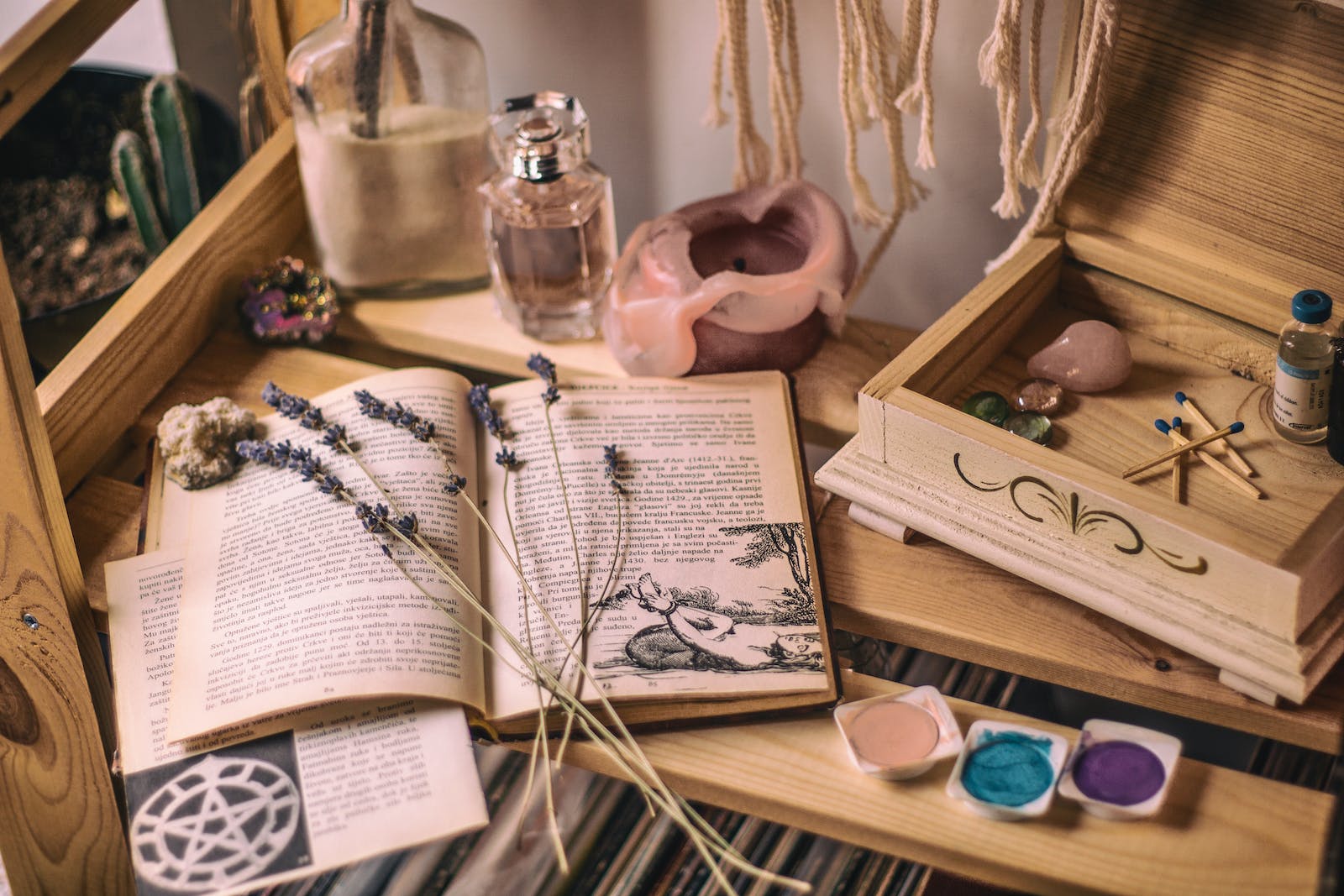
- Altars and shrines: personalized with photos, heirlooms, candles, and offerings to honor ancestors and specific lwa.
- Libations: pouring water or rum as a gesture of respect and communication.
- Feasts and offerings: food, flowers, tobacco, or objects preferred by a particular spirit.
- Song and drumming: to call, to placate, and to bring about trance where messages can be received.
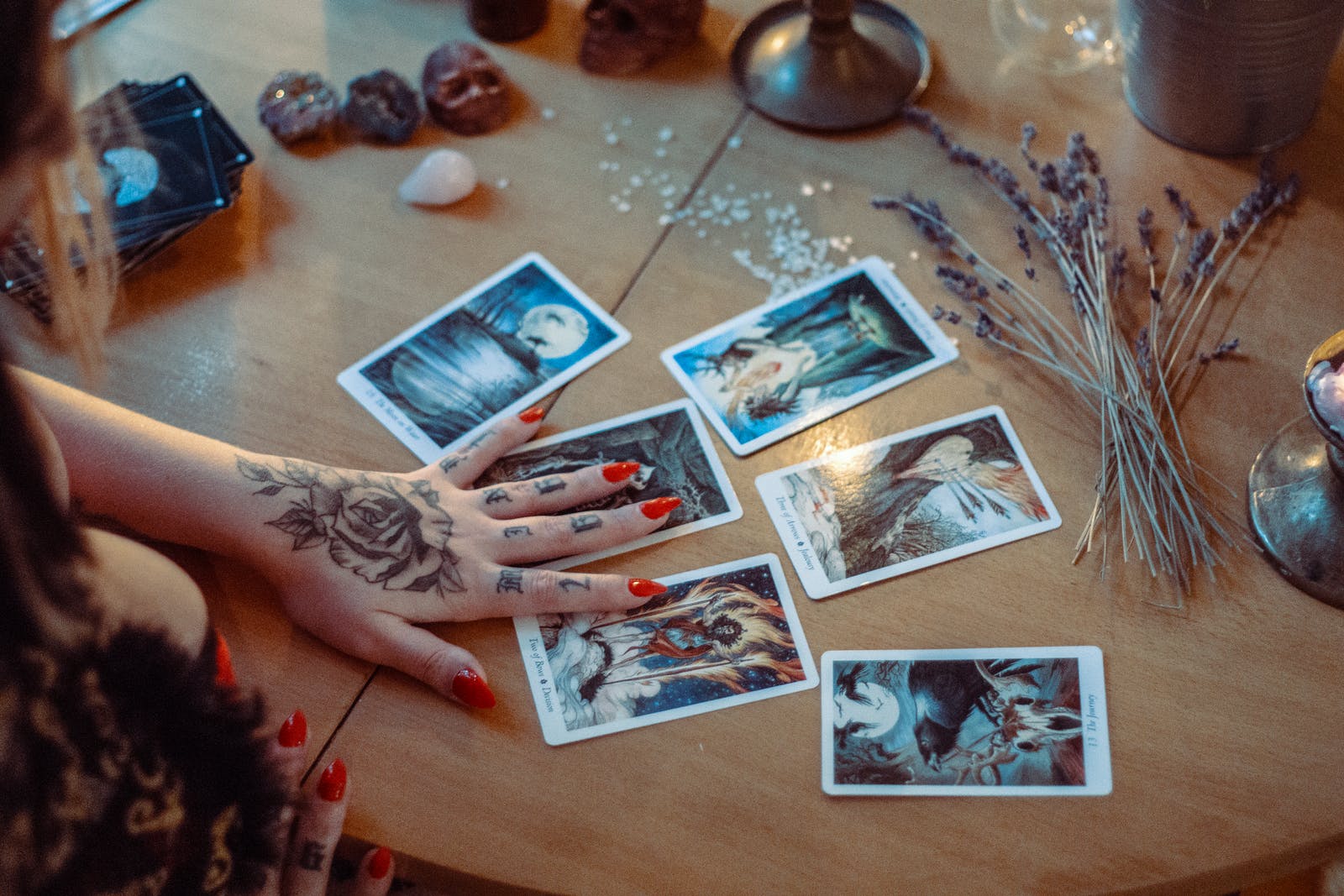
- Divination: using cards, shells, or readings to understand relational blockages and next steps.
Working with Elders and Initiates
Novices are often encouraged to consult elders—houngans, mambos, or recognized family ritualists—especially when dealing with complex emotional situations. Experienced practitioners can navigate the subtleties of lineage protocol and the proper spirit to approach.
Signs, Symbols, and Messages
Spirits and ancestors communicate through dreams, sudden memories, animal visitations, and symbolic objects. **Interpreting these signs requires humility.** What feels like “wishful thinking” may need grounding in divination or counsel to avoid misreading a message.
Common Cautions
“Not every sign is a direct command; not every impulse is a spirit’s whisper.”
Emotional vulnerability can make people eager to accept any meaning that supports their desire. Responsible practice includes verifying impressions, consulting trusted ritualists, and ensuring personal accountability for actions inspired by spirit messages.
Syncretism and Contemporary Contexts
Voodoo traditions have often syncretized with Christianity, Islam, and indigenous beliefs. In contemporary urban settings, practitioners adapt rituals to apartment altars, online communities, and multicultural households. **The essence remains the same:** keep relationships rooted in reciprocal respect across generations and realms.
Adapting Rituals Ethically
Practical tips: maintain clear boundaries, translate offerings into locally available equivalents, and ensure consent for any ritual involving another person’s spirit or image. If working across cultural lines, learn from practitioners native to that lineage rather than appropriating fragments.
Case Examples (Illustrative, Respectful)
– A woman seeking to restore trust with her partner might begin by cleaning the couple’s shared space, making an offering to her family ancestors, and asking a protector spirit to help both parties hear each other.
– A family experiencing repeated conflicts may consult a diviner who reveals a historical grievance; the ritual work then focuses on acknowledgment, reparative words, and offerings that symbolically reweave the broken ties.
Conclusion: Sacred Partnership—Between People and the Invisible
**Ancestors and spirit guides are not mere tools** for wish fulfillment. They are relational actors with ethical expectations and cultural histories. When engaged with humility, respect, and consent, they enrich relationship magic with protection, perspective, and healing. The most enduring transformations come not from forcing outcomes but from inviting wisdom, doing the inner work, and keeping the reciprocal vows that make spiritual help sustainable.
Further Considerations
If you are new to these practices, seek community-based learning, honor lineage protocols, and prioritize consent and ethical reciprocity. Relationship magic is most potent when it supports the dignity of all involved—living and ancestral alike.